
Wilmington ghost stories are easy to repeat and surprisingly easy to blur together. A real person becomes a ghost-tour character. A documented accident grows a supernatural ending. A historic house collects stories that were never part of its original history.
That does not make the legends meaningless. In fact, the most interesting Wilmington NC ghost stories are the ones where you can see exactly where the historical record ends and the local folklore begins.
This guide focuses on the stories themselves rather than ranking haunted places. For each legend, we looked for the earliest or most reliable historical material we could find and compared it with the version commonly told today.
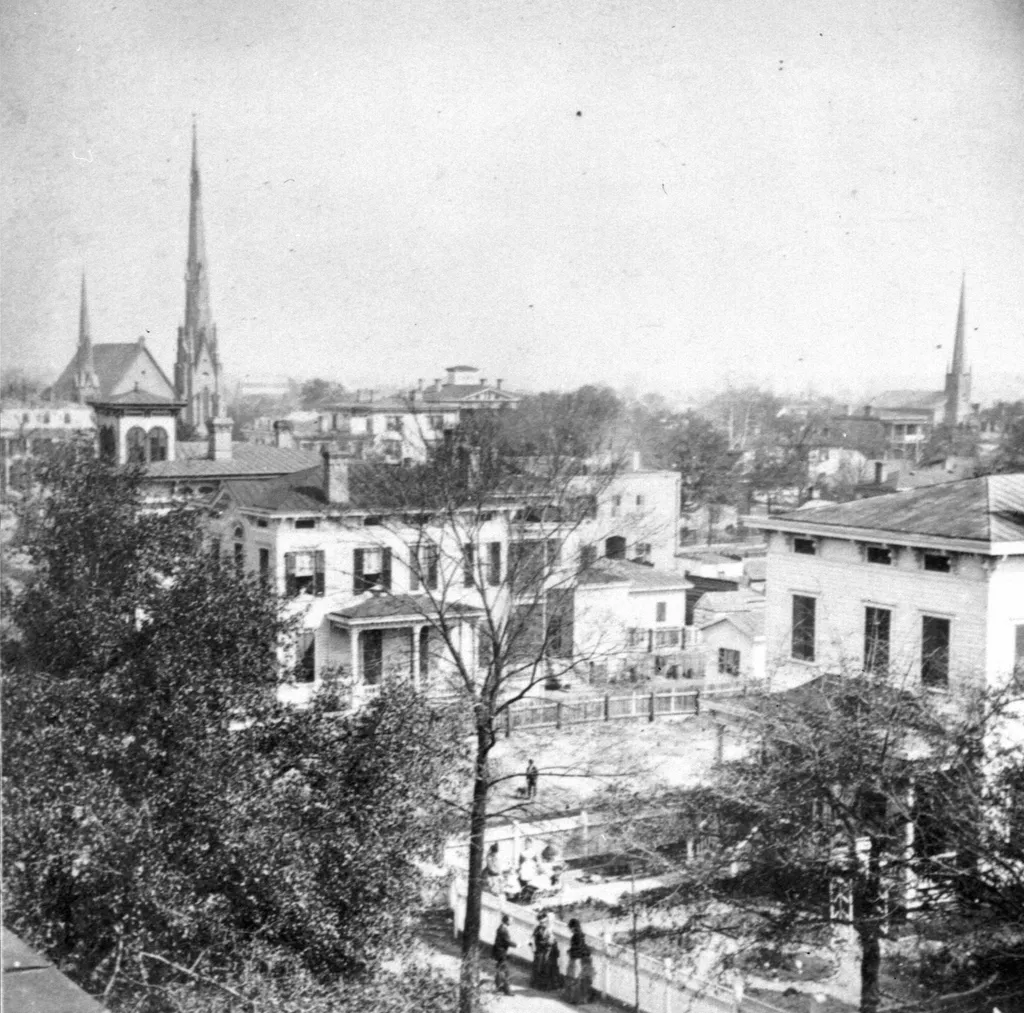
How We Separate History From Ghost Lore
There are three different kinds of material in Wilmington's haunted tradition. Documented history includes dates, people, buildings and events supported by archives, museums or historical research. Historical tradition includes stories recorded long ago but not independently proven. Modern paranormal lore includes reported footsteps, apparitions, voices and other experiences that cannot be verified as historical facts.
Keeping those categories separate makes the stories more interesting, not less. It also prevents a dramatic tour version from gradually replacing the history that inspired it.
1. Samuel Jocelyn Jr.: The Man Said to Have Been Buried Alive
The Samuel Jocelyn story is one of Wilmington's best-known buried-alive legends, but the oldest version is different from many modern retellings.
A 1909 history by Alfred Moore Waddell records a tradition that had been presented publicly by Col. James G. Burr in an 1890 Wilmington lecture. In that account, Samuel R. Jocelyn was killed by accident in March 1810 and buried in the St. James churchyard. His friend Alexander Hostler then supposedly saw Jocelyn's apparition on three successive evenings. The figure told Hostler that he had not been dead when buried and asked him to open the coffin. According to the story, Hostler and another man later exhumed the body and found it lying face down.
The important point is that Waddell himself introduces this as one of the graveyard's preserved traditions. The account is old enough to show that the legend was not invented by a modern ghost tour, but it is not a medical record proving that Jocelyn was buried alive. Details often added today—such as claw marks inside the coffin—do not appear in that 1909 version.
You can read the transcribed 1909 account, or see our deeper guide to Samuel Jocelyn and St. James Cemetery.
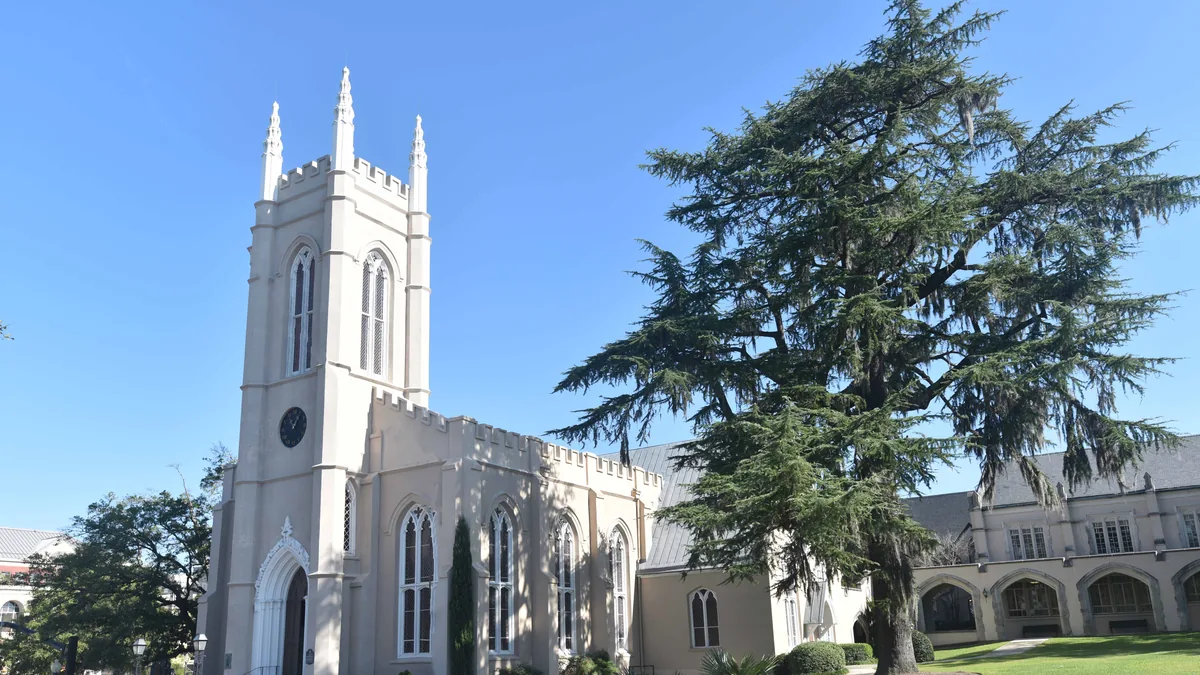 Photo credits
2. The Maco Light: A Real Train Accident Became a Headless-Conductor Legend
The Maco Light is one of the clearest examples of folklore growing from a documented event.
North Carolina's Department of Natural and Cultural Resources traces the story to a railroad accident on January 4, 1856, near Hood's Creek outside Wilmington. The conductor was Charles Baldwin. He suffered severe head injuries in the collision and died three days later. Investigators also found that Baldwin had been responsible for placing a warning light on the train and had failed to do so.
The legend changed those facts. Charles became “Joe” Baldwin, the accident became a decapitation, and the mysterious light later seen along the tracks was said to be the conductor's lantern as he searched for his missing head.
That contrast is what makes the Maco Light such a useful local legend: the accident is historical; the headless conductor is folklore. The NC DNCR account also notes that the tracks were removed in 1977 and that the famous light was no longer reported afterward.
3. Gallows Hill: Real Executions, Later Ghost Stories
Gallows Hill sounds like a name created for a ghost story, but public executions really were part of Wilmington's past.
The area around Fifth Avenue and Market Street became strongly associated with the name, particularly the property where the Price-Gause House stands. Research discussed by Wilmington historians Beverly Tetterton and Chris E. Fonvielle Jr. also shows why the story needs care: Wilmington used more than one execution site over time, so not every hanging story belongs to the same corner.
The haunted reputation came later. Stories about strange activity at the Price-Gause House grew around a place already carrying a grim historical identity. The execution history gives the legend a real foundation, but it does not prove the paranormal claims attached to the house today.
For the historical research behind the location, see the Cape Fear Unearthed investigation into Gallows Hill.
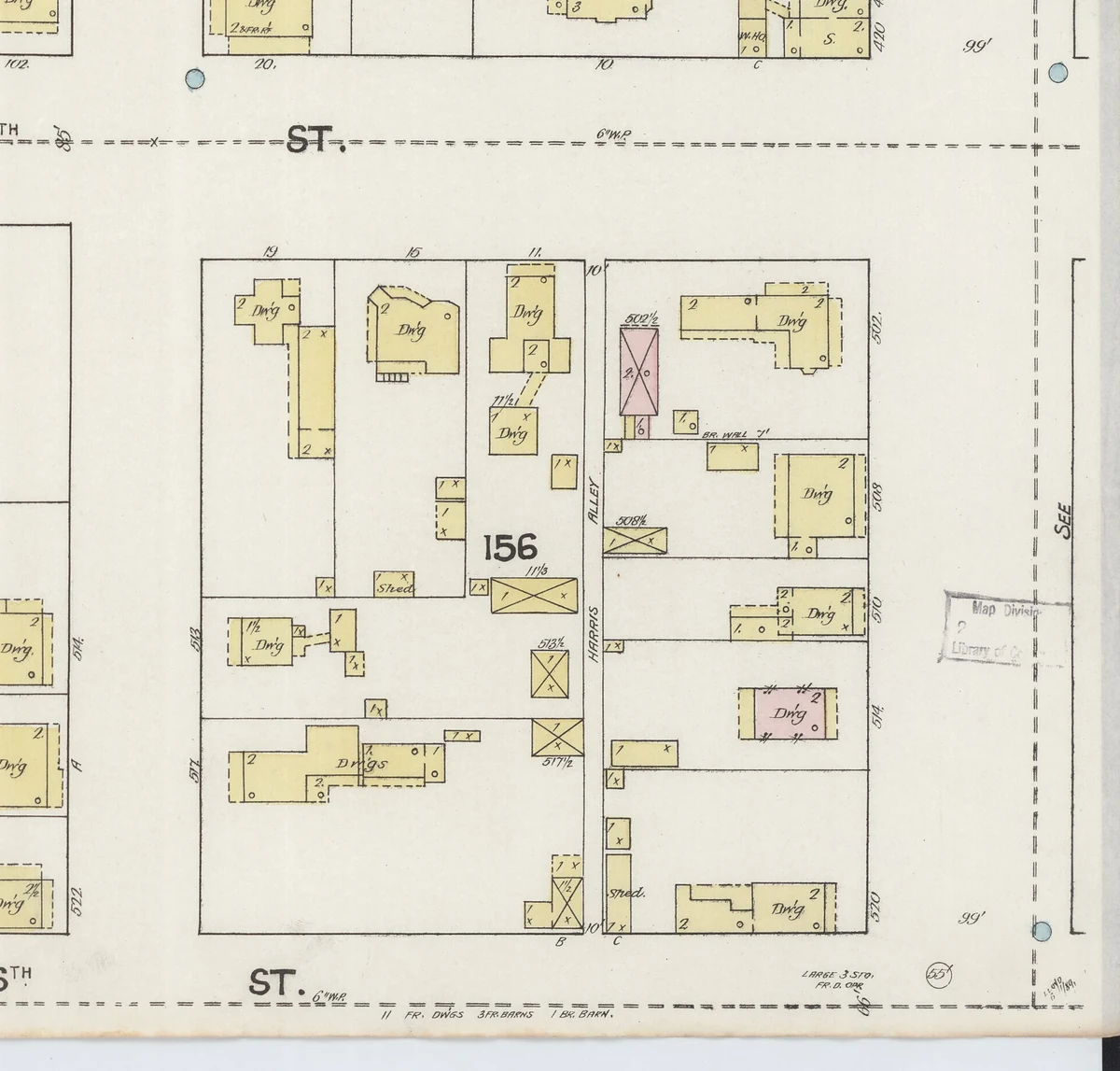 Photo credits
4. Latimer House and the Story of Crying Children
A long-running ghost-tour story associated with the Latimer House involves the sound of children crying or moving through the old home.
There is a real family history behind the emotional power of that story. The Lower Cape Fear Historical Society says Zebulon and Elizabeth Latimer had nine children, but only four sons survived to adulthood. The house itself dates to 1852 and preserves the family's papers, furnishings and broader history.
What the historical record does not establish is that unexplained sounds in the house come from those children. The connection belongs to ghost-tour lore. A 2008 WECT feature on the Ghost Walk of Old Wilmington shows that guides were already telling visitors about soft sobbing cries at the house, which helps document the legend as a local tradition without turning it into a proven event.
Interestingly, Latimer House now addresses that tension directly. Its own “Shadows in the Parlor” programming invites visitors to explore the truth behind the tales and legends while discussing Victorian spiritualism and paranormal investigation.
5. Thalian Hall: Ghostly Stagehands in a Very Real Historic Theater
Some haunted reputations are maintained mainly by tour guides. Thalian Hall is different because the venue itself openly includes its “spirited” stories in official tours.
The history is substantial before any ghost enters the story. Thalian Hall was built between 1855 and 1858 and is the only surviving theater designed by 19th-century architect John Montague Trimble. It has served Wilmington as both a civic and cultural space for more than a century and a half.
Its official tour material refers to ghostly stagehands and spectral audience members. That confirms the stories are genuinely part of the theater's modern interpretation, but it still does not make an apparition a historical fact. The useful distinction is simple: the building's age, architecture and theatrical history are documented; the supernatural experiences are reported lore.
See Thalian Hall's official tour page for how the venue presents that history and its haunted reputation today.
6. Bellamy Mansion: What Happens When a Museum Becomes Part of the Legend
The Bellamy Mansion is a good example of how a haunted reputation can grow around a museum even when the museum itself refuses to claim proof.
Bellamy staff say visitors regularly ask about supposed ghosts and sometimes return from tours with photographs or personal experiences they consider paranormal. The museum has also rented the main house to outside paranormal-investigation companies.
What makes the Bellamy approach valuable is its caution. In a museum essay about ghost tourism, staff explain that paranormal “evidence” can easily shape a story outside professional historical interpretation. Their answer to whether the house is haunted is deliberately neutral rather than a claim of fact.
That is a useful model for Wilmington ghost stories generally: enjoy the story, but do not let the story overwrite the history. You can read the museum's own discussion in Haunted by Hauntings: Ghosts and the Modern Museum Visitor.
7. Battleship NORTH CAROLINA: A Modern Paranormal Reputation
Not every Wilmington legend grew out of a 19th-century house or cemetery. The Battleship NORTH CAROLINA shows how modern paranormal culture can create a second layer of storytelling around a well-documented historic site.
The ship's World War II service is historical and extensively interpreted on board. Its paranormal reputation is separate. The Battleship's own FAQ says the ship is a popular destination for paranormal investigation groups and that outside organizations host paranormal programs there.
That official acknowledgment tells us the haunted reputation is real as a cultural phenomenon. It does not verify any particular apparition, moving door or unexplained sound. For visitors, that distinction matters: go for the ship's history first; treat the paranormal stories as an additional layer of modern lore.
See the Battleship NORTH CAROLINA FAQ for the site's own wording.
 Photo credits
Why Do Wilmington Ghost Stories Last?
Wilmington has an unusual advantage when it comes to keeping legends alive: many of the places connected to them are still physically present. You can stand beside St. James, walk past Gallows Hill, tour Latimer House, sit inside Thalian Hall and visit the Battleship. The setting has not disappeared, so the story remains attached to something people can see.
The city also has a long tradition of preserving and retelling local history. That means a story can move from family memory to an old lecture, from a book to a newspaper feature, and then into a modern walking tour. Details change along the way. Sometimes a dramatic addition becomes better known than the older version.
That is why the most useful question is not simply, “Is this ghost story true?” A better question is: Which part is documented, when did the legend appear, and how has the story changed?
Which Wilmington Ghost Story Has the Strongest Historical Foundation?
If “strongest” means the clearest connection between a legend and a documented event, the Maco Light stands out. We know the date of the accident, the conductor's real name and the circumstances that involved a missing warning light. We can then see exactly how that event evolved into the headless-conductor story.
Samuel Jocelyn is different. His legend is old and was recorded in print more than a century ago, but the supernatural claim remains a tradition rather than a proven medical event. Gallows Hill has documented execution history, while its ghost stories came afterward. Latimer House, Thalian Hall, Bellamy Mansion and the Battleship have well-documented histories alongside later paranormal reputations.
Exploring the Stories in Wilmington
If you want to see the historic places behind these legends, our guide to haunted places in Wilmington focuses on the locations themselves. If you prefer a guided storytelling experience, the Ghost Walk of Old Wilmington is built around local stories and historic streets.
Whichever way you explore them, remember that several locations are active museums, churches, workplaces or memorial spaces. Visit respectfully, follow posted access rules, and do not treat private property or burial grounds as paranormal investigation sites.
Sources & Further Reading
- Alfred Moore Waddell (1909), Samuel Jocelyn tradition — transcription via NCGenWeb
- North Carolina Department of Natural and Cultural Resources — Origins of the Maco Light Legend
- Cape Fear Unearthed — Ghosts of Gallows Hill
- Latimer House Museum and Gardens — House and family history
- WECT — Ghost Walk of Old Wilmington (2008)
- Thalian Hall — Official history and official tours
- Bellamy Mansion Museum — Haunted by Hauntings
- Battleship NORTH CAROLINA — Official FAQ
Research reviewed September 2026. Historical claims are separated from local tradition and reported paranormal experiences wherever the surviving sources allow.